Evertrail — Hytale Survival RPG
Lead Developer · Server & Web
A live Hytale network built as one connected RPG: three servers, shared progression, custom Java gameplay systems, and a bilingual web platform.
Stack
Hytale Server API, Java, ECS, Supabase, Astro, Gradle
Links
Design documents
Game Design Document
High Concept
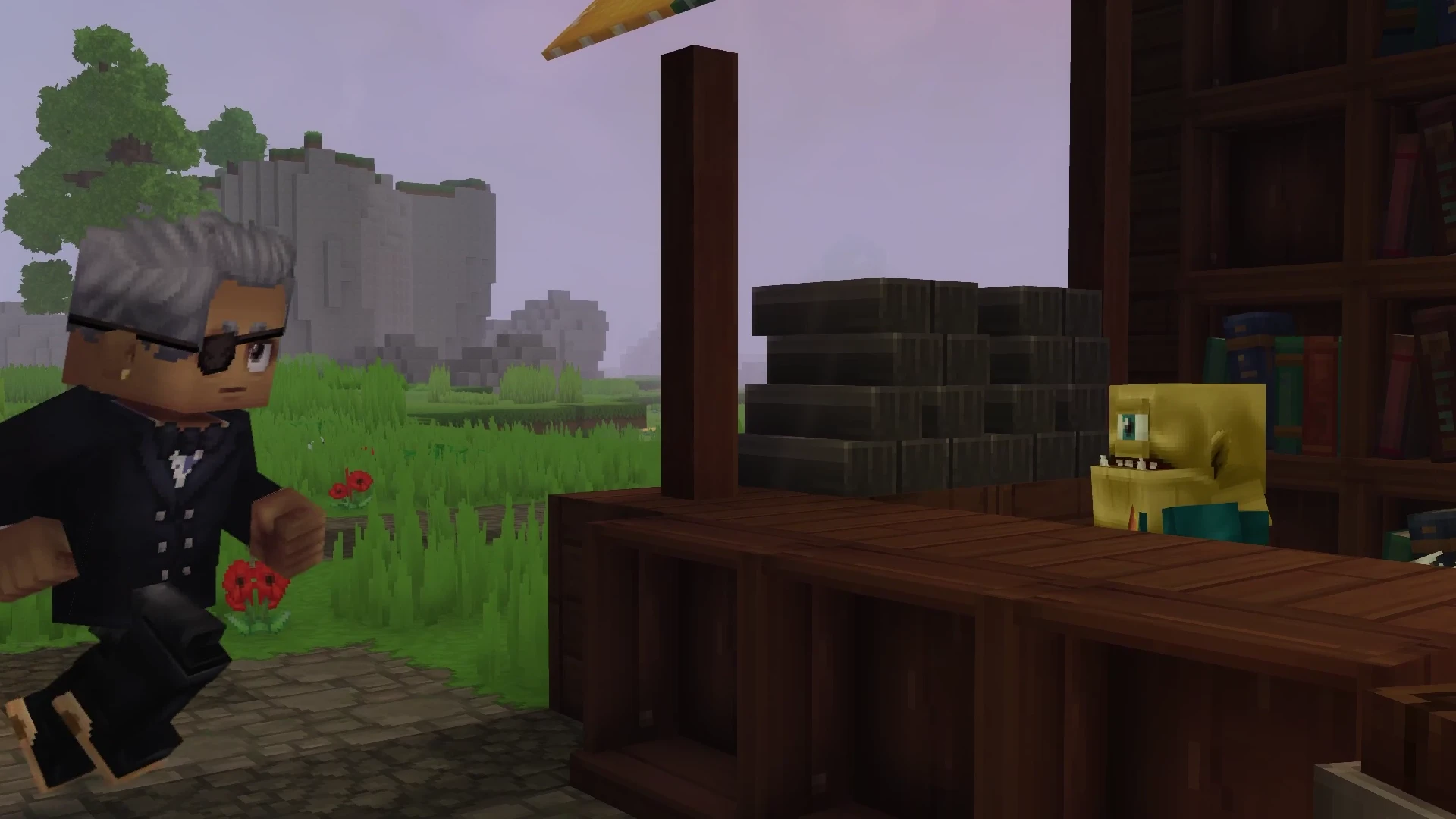
Evertrail is a live Hytale Survival RPG network. I lead the server and web development, turning a fast-moving early-access API into a persistent experience with its own progression, economy, social layer, protected building, quests, minigames, and player-facing interfaces.
Designing one journey across three servers
Evertrail is split into spaces with different promises, but players should never feel as if they are starting over. I designed the network around a central lobby and two persistent play styles, then built the routing and shared systems that hold them together.
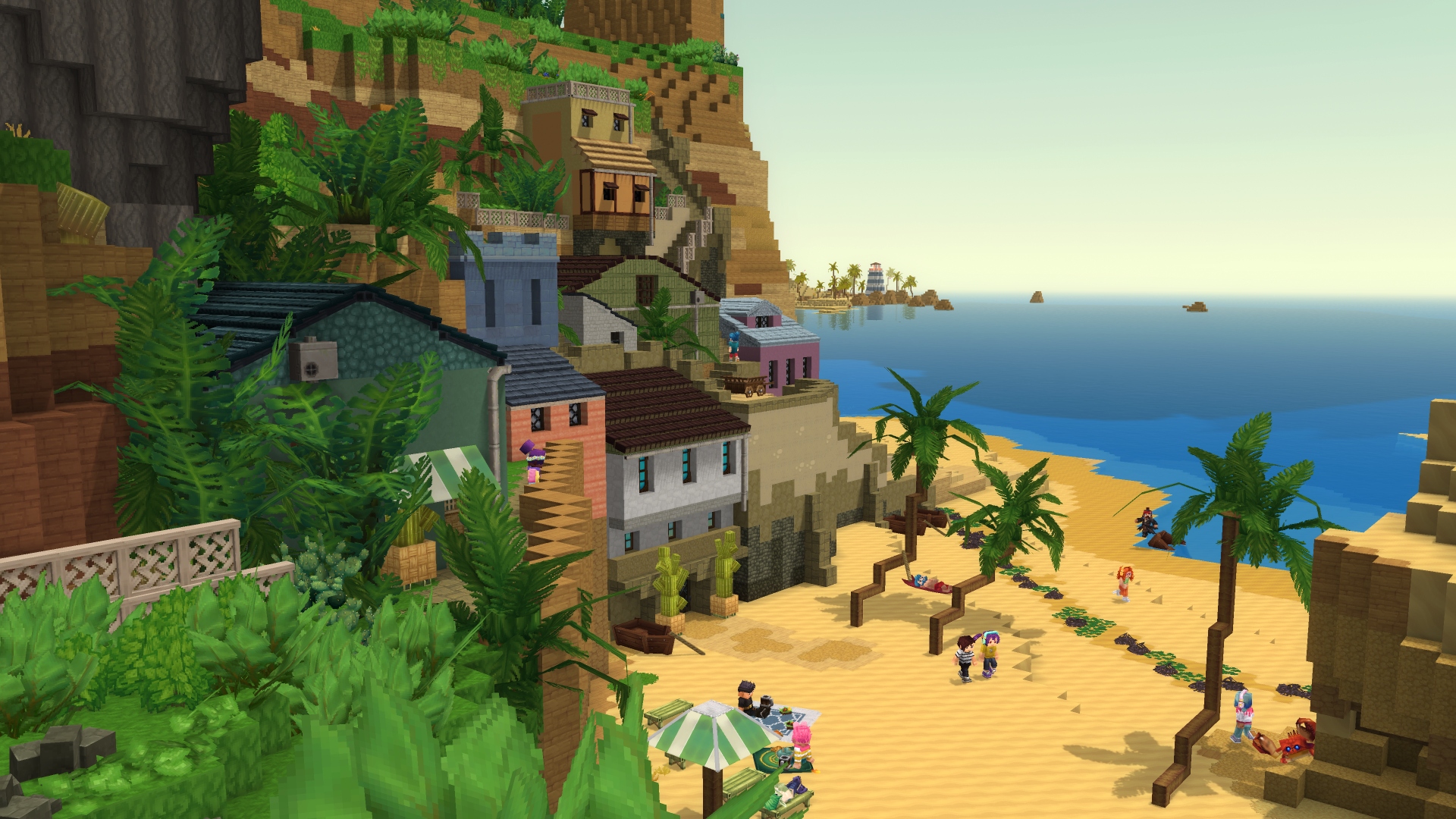
Tabern Lobby
The social hub: traders, NPC services, server selection, and a reliable route back from every world.
Survival PvE
Exploration, building, jobs, quests, coins, levels, claims, and a progression loop that rewards regular play.
Parcels
A long-term building world designed to preserve important creations even when Survival needs to change.
LobbyManager, the custom door menu, referrals, and server-aware presence make movement between those spaces feel like navigation inside one product rather than a collection of unrelated servers.
One player identity, everywhere
The technical core is a custom Java player-management plugin backed by Supabase. It talks to the database asynchronously through a REST layer, keeps local caches for gameplay-sensitive paths, and gives every server access to the same source of truth.
That shared profile carries coins, level and EXP, job state, quest progress, backpack contents, friends, presence, and server location. The system also records sessions and gameplay events, giving the team a foundation for understanding how the network is actually used.
Building systems players can trust
Land ownership is more than drawing a rectangle. The claim system protects block placement, breaking, and container use; supports invitations and granular preferences; maintains the claim chest; visualizes boundaries; and tells players when they enter or leave protected space.
Parcels reuse the same product thinking for permanent building: purchasing, ownership, navigation, vendor UI, protection rules, and transfers back to the lobby are handled as one flow.
From infrastructure to playful mechanics
The same plugin surface supports smaller mechanics that give the server personality. I prototyped and shipped movement tools, custom interactions, NPC actions, UI pages, protected zones, random teleportation, and complete match loops.
A web platform around the game
I also built Evertrail’s public web surface with Astro, TypeScript, Tailwind, and server-rendered routes. The English and Spanish experience connects a branded landing page, live server address, Discord, store, and a dedicated wiki with onboarding, rules, and system-specific guides.
The wider web architecture includes sitemap and subdomain routing, rate-limited endpoints, Supabase integration, a store catalog and basket flow, Tebex checkout/webhook handling, webhook auditing and replay tooling, and Docker/Nginx deployment configuration. It gives the game team a real operating surface, not just a marketing page.
Custom plugin surface
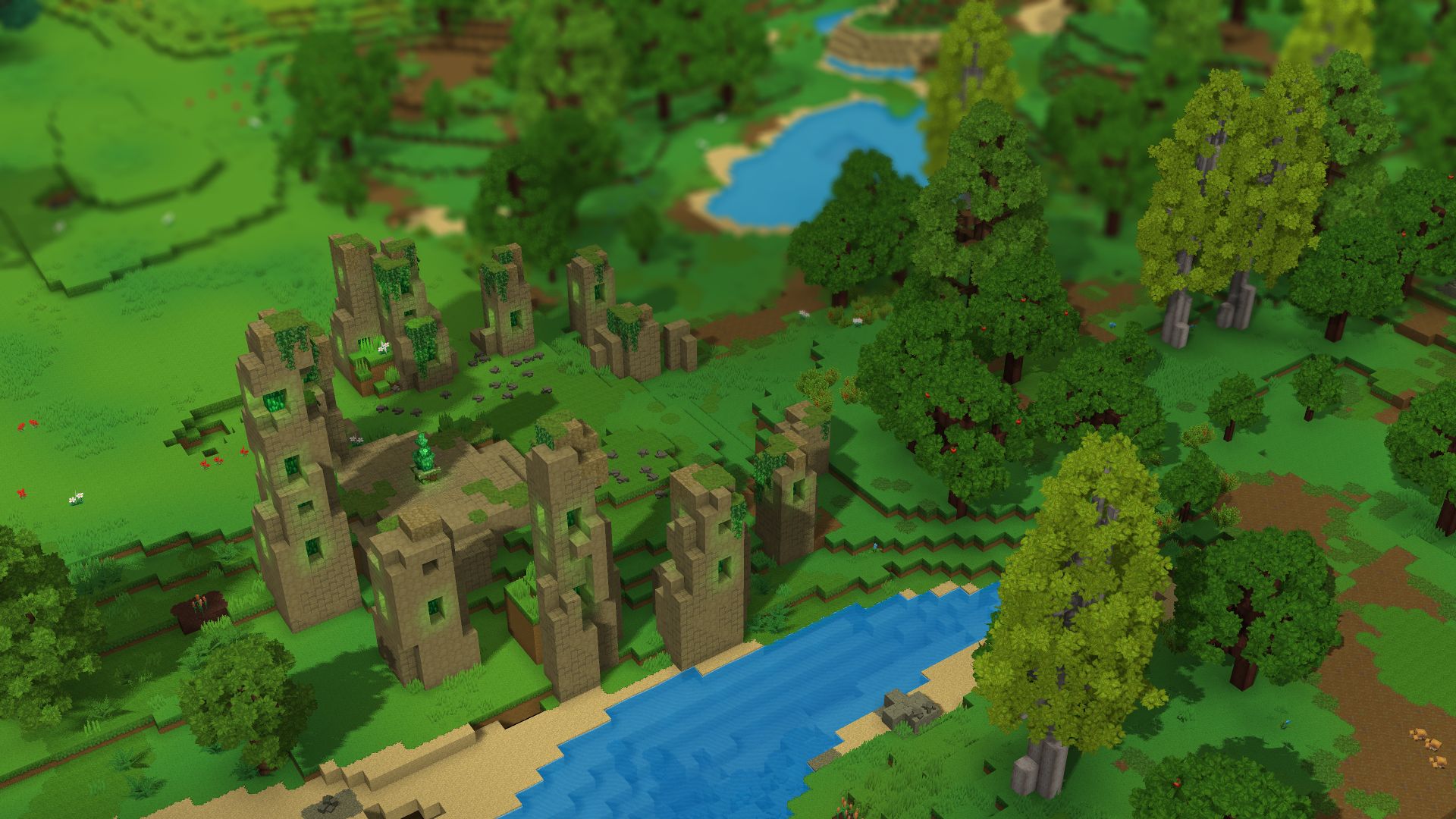
The modules are built with Gradle against the Hytale Server API and make direct use of its event-driven ECS, commands, custom UI pages and HUDs, interactions, NPC actions, asset packs, world state, and player-referral primitives. Keeping those concerns modular has been essential while the underlying game and API continue to evolve.
My role
Lead Developer · Server & Web
- Designed the cross-server product architecture and persistent player model.
- Developed the custom Java gameplay plugins, UI flows, commands, protections, and server routing.
- Built shared progression, economy, banking, inventory, quests, jobs, friends, presence, and telemetry on Supabase.
- Built the bilingual Astro website, wiki, store integration, webhooks, and deployment setup.
- Prototyped in public, turned community-facing experiments into shipped features, and documented the experience for players.
Stack
- Java, Gradle, Hytale Server API, ECS, events, custom UI/HUD, and asset packs
- Supabase/PostgREST, OkHttp, Gson, asynchronous persistence, and local caches
- Astro, TypeScript, Tailwind CSS, SQLite, Supabase JS, Zod, and Tebex
- Docker, Nginx, server-side rendering, bilingual routing, and technical documentation
Explore
Visit Evertrail · Read the Wiki · Development updates on X · My dev log